
संक्षिप्त इतिहास
Public Celebrations of Ganesh Festival-A Brief History. (contd...)
Tilak wished to bring about social change for political reasons too. He was convinced that social change was the key to political awareness. The country was under a foreign rule. It was necessary to arouse the masses to oppose the tyrannical British Rule. It was necessary to stir the masses and mobilise public opinion for national ends. He wanted his ideas to reach the common people, make them aware of British Govt.’s oppressive policies, inculcate a strong sense of nationalism and the need to attain Swaraj that is freedom from the foreign rule.
To achieve the desired result it was necessary to awaken the masses and what else would be fit than the already popular Ganesh festival? It is in these circumstances that in 1893 he appealed to the people to make it a festival of masses.
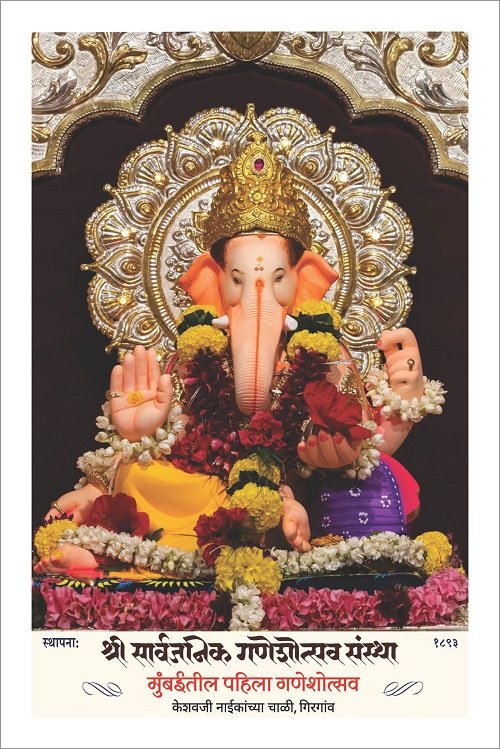
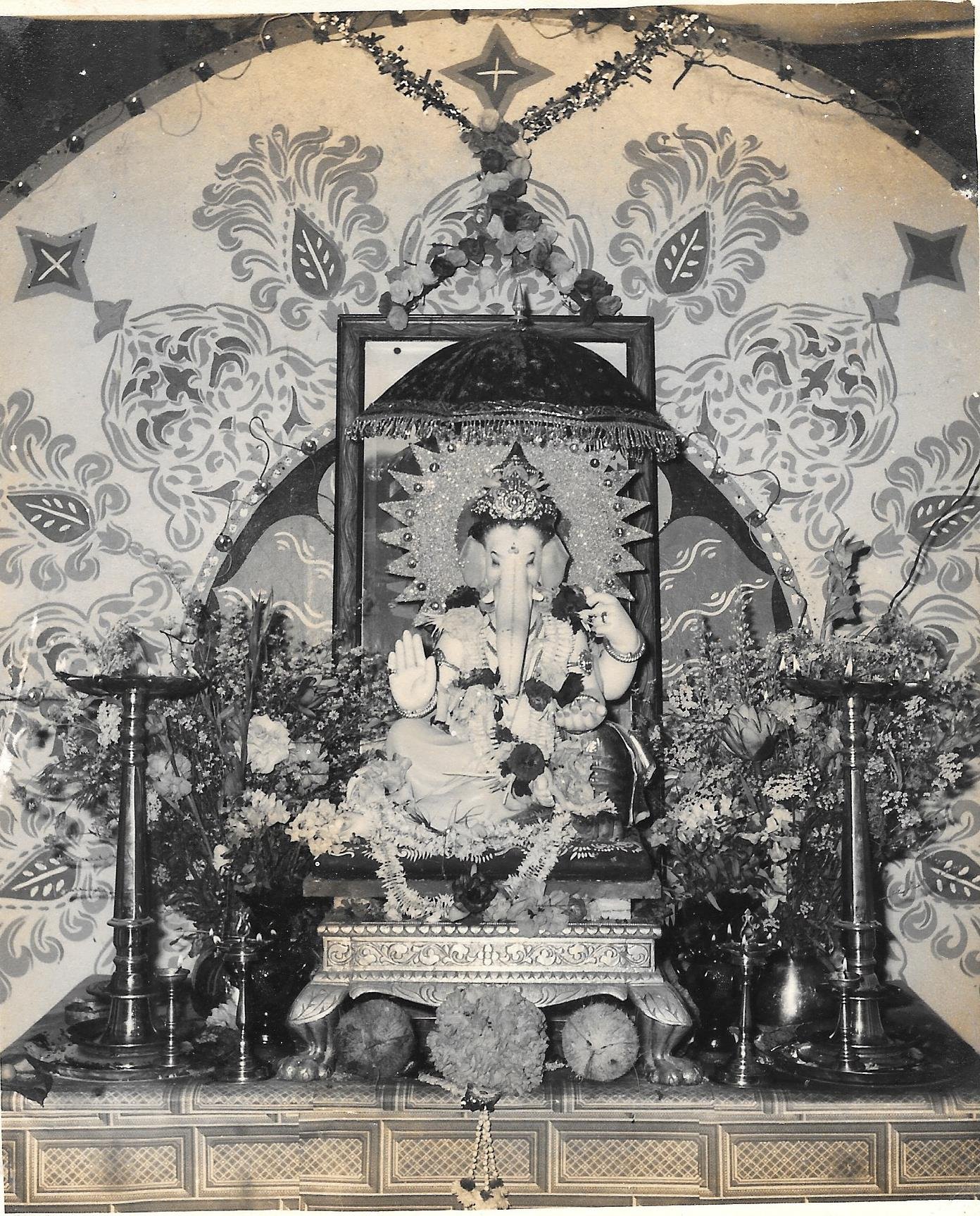
Ganesh Chaturthi is celebrated with great enthusiasm in Maharashtra. People invoke the blessings of Lord Ganesh for prosperity and wisdom and pray for his help in removing all obstacles. Tilak’s appeal had a miraculous effect and people responded positively. 1893 saw the beginning of Ganesh festival as a public and popular event with Shri Bhau Rangari, Shri Khajgiwale, and Shri Ghotwadekar in Pune and residents of Keshavji Naik Chawl in Mumbai acting as pioneers.
In 1894 the festival spread to other places throughout Maharashtra. Year after year, the number kept increasing. His writings in Kesari and Maharatta and his public speeches had great influence in making the festival a truly public and participative event.
Festivals unite people. Ganesh festival provided him a necessary platform to arouse them to oppose the reign of terror. His ideas propagated through speeches and writing commanded wide attention forcing the British Govt. to sit up and take notice.
Ganesh Festival in Free India
During this period, even 'Kirtans', a form of folk art, a kind of one man chat and musical show, promoting ideas contained in Indian mythology underwent great transformation. In what is now called Rashtriya Kirtan saw the initiation of movement to boycott of foreign made goods, promote the use of swadeshi (indigenous) goods to encourage education based on oriental values and for shunning of alcoholic drinks.
Anti-British campaign through these activities naturally made the authorities apprehensive and there was an attempt to curb them. However, in keeping with their policy of non-interference in religious matters the Govt. did not ban such programmes and festivities. In the event, it was Tilak who succeeded in his mission of creating mass public awareness and imparting education on Indian values through public festivals like the Ganesh festival and Shivaji festival.
No one can deny the role played by Ganesh festival in mobolising support for the freedom struggle in Maharashtra and elsewhere. It is indeed sad that when India became a free country on 15th August 1947 that Tilak who struggled and suffered throughout his life to achieve this dream did not live to see it happen.
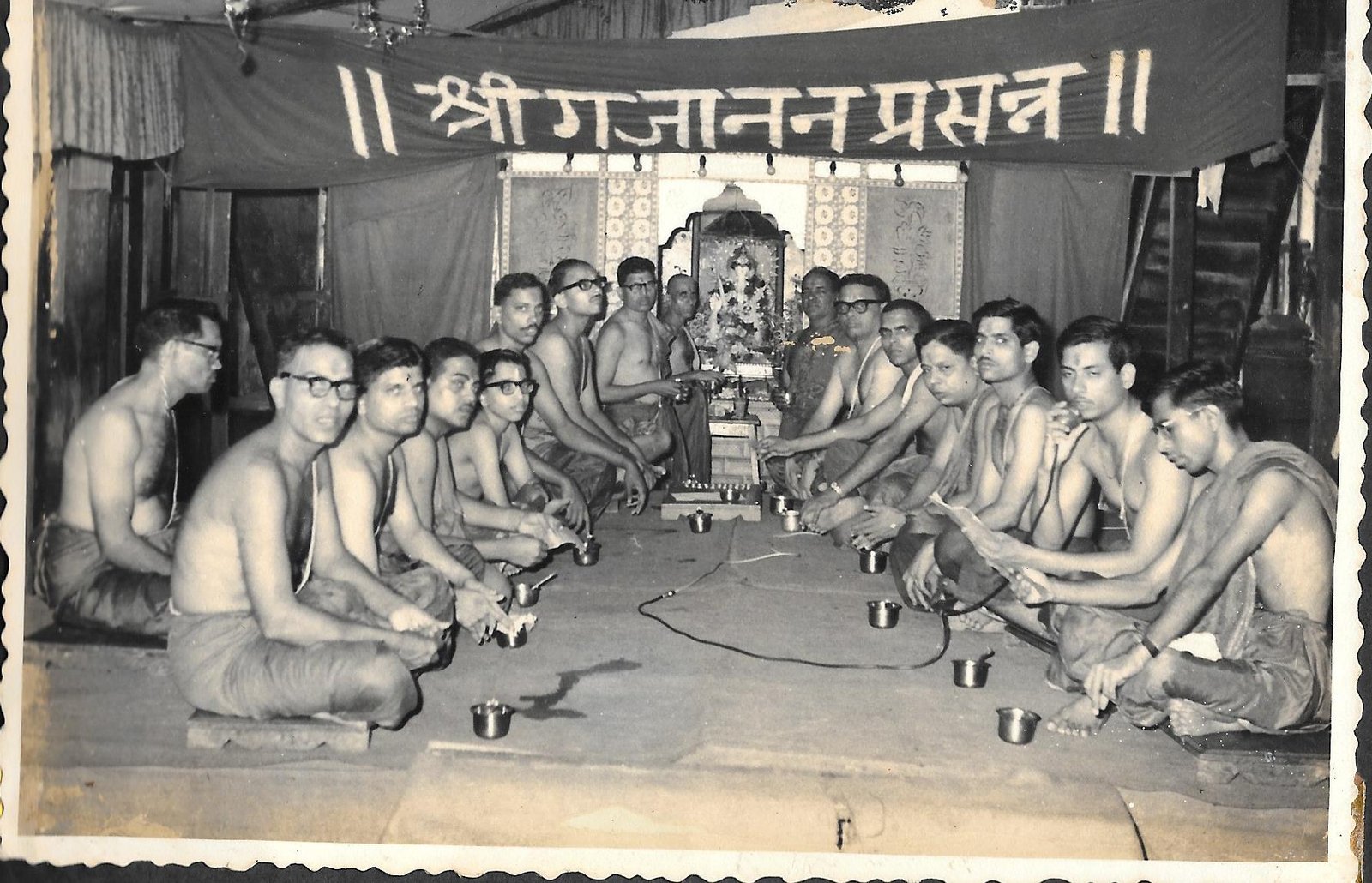
From 1893 till Mr. Tilak breathed his last in 1920 public festival of Ganpati was mainly in the nature of platform for national awakening and social education. With these prime motives Lectures of eminent personalities and performances of 'Mela' (a group of singers comprising men & women) were the programmes, which used to be organised in Ganesh Festival. However, after the demise of Lokmanya Tilak this nature gradually underwent a change. Progammes for speeches to educate the masses on national problems and songs to inspire nationalism and self respect have given way to farcical skits, dramas and other forms of entertainment such as musical concerts, mimicry, etc. Independence ushered in still more changes. Exposure to the scientific progress, changes in the life style of Indian people and more so of those in Maharashtra, changes in values etc. resulted in the metamorphosing the psyche of the masses. Consequently it brought about visible changes in the concept of public festival of Ganpati. This occasion became more of an event of celebration resulting into lavish decoration, impressive processions, and creation of huge Ganesh Idols. The current emphasis is on splendour financed by coercive contributions collected from gullible public and loud music adding environmental pollution seem to be the order of the day. The ever increasing size and height of the Ganesh idols creates problems at immersion time. Vulgar dancing by inebriated young man during the processions spoils the sanctity of the festival. As a result a school of thought emerged which felt that as independence was achieved; public celebration of Ganpati Festival can be dispensed with. On an introspection of the way the festival has been celebrated since independence and particularly in the last decade or so one becomes inclined to share the view about the necessity of continuing the festival.
It is always easy to criticise. However, in the eagerness to criticise one must not lose the sight of the constructive work done by various organisers of the Ganesh Festival. One would be doing injustice to them. One cannot overlook the fact that many celebrities from the cultural fields such as Theatre, Film and Music had their initiations in the programmes presented in the Ganpati Festivals. Increasing number of Ganpati Festivals also brought with it economic activity for Artists, Pandal Contractors, Decorators etc.
It can not be denied that a situation has to be created whereby the Ganpati festival which played a pivotal role in winning the freedom for the country can also help in making it a welfare state. However, this is possible only if the educated and enlightened class once again start actively participating in the conduct of Ganpati Festival and restructures its activities. This is the need of the hour.
Maybe we need another Tilak-a true visionary-to refocus on what such festivals can and ought to do.