
Our Ganesh Festival

Shree Ganeshay Namah
Keshavji Naik Chawl Girgaon Mumbai
The Ganesh Festival At Keshavji Naik Chawls
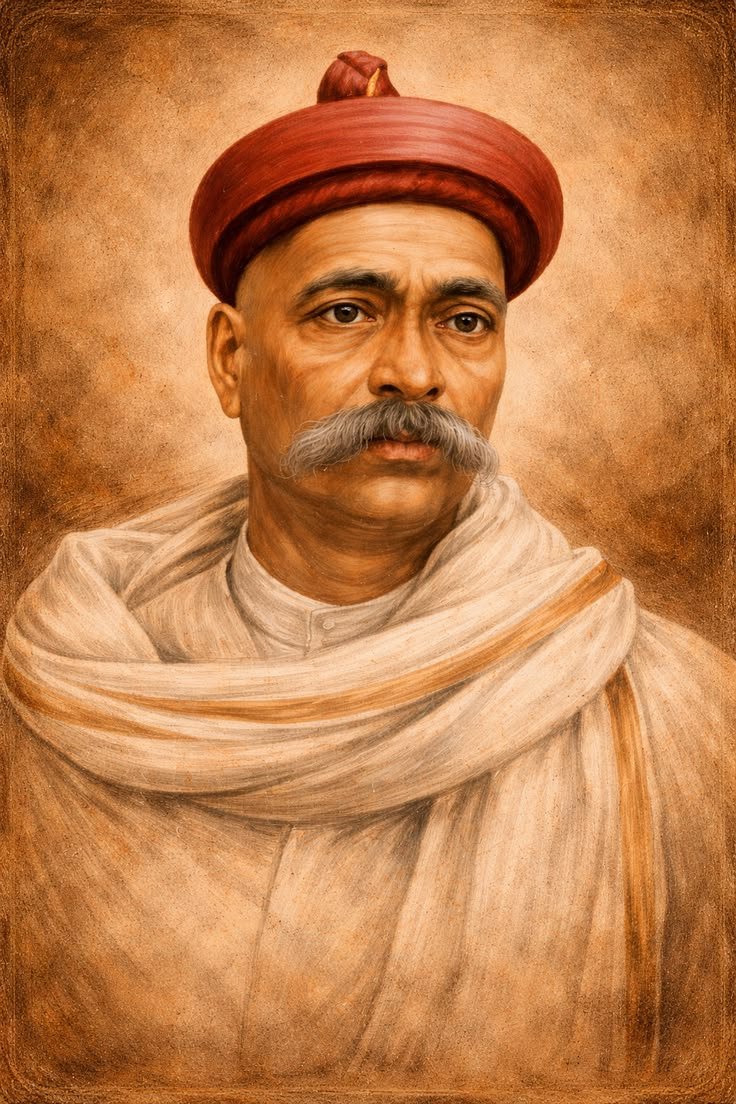
Bal Gangadhar Tilak
During the pre-independence period, the residents of Keshavji Naik's Chawls-majority of them belonging to middle class and well educated- were quite aware of the overall political scenario then in India. It was but natural that they had a devotional respect for freedom fighters in general and Mr. Bal Gangadhar Tilak in particular. Religious nature and love and admiration for Mr. Tilak made these residents promptly respond to his call to observe Community festival of Lord Ganesh. Thus, the Ganesh festival at Keshav Naik Chawls (abbreviated henceforth as KNC) began with the initiation of such festivals in Maharashtra in the year 1893 in a rather humble manner. The KNCs is a set of five single story buildings. Each story features two/three room tenements sharing a long and common gallery cum passage. This building structure known as chawl, offered a modest and economical housing solution for middle class families in Bombay. Though this concept of housing may sound a little strange today, it must be admitted that it has some inherent strengths and merits. As the individual homes are not fully self-contained, the resident families share better ties and tend to help each other more than other community housing systems. Generally the families in a chawl have better interaction. It is important to note that the very nature of this feature was mainly responsible for initiation of Sarvajanik Ganeshotsav (i.e. the community festival) at KNC and its sustained perpetuation over hundred years due to dedicated and untiring collective efforts of four generations of the resident families. Well known Marathi Poet Shri "Keshavsut", Freedom Fighter Shri S.M. Joshi, First Chief Minister of then Mumbai State Shri B.G. Kher are some of the eminent personalities who resided in KNC.
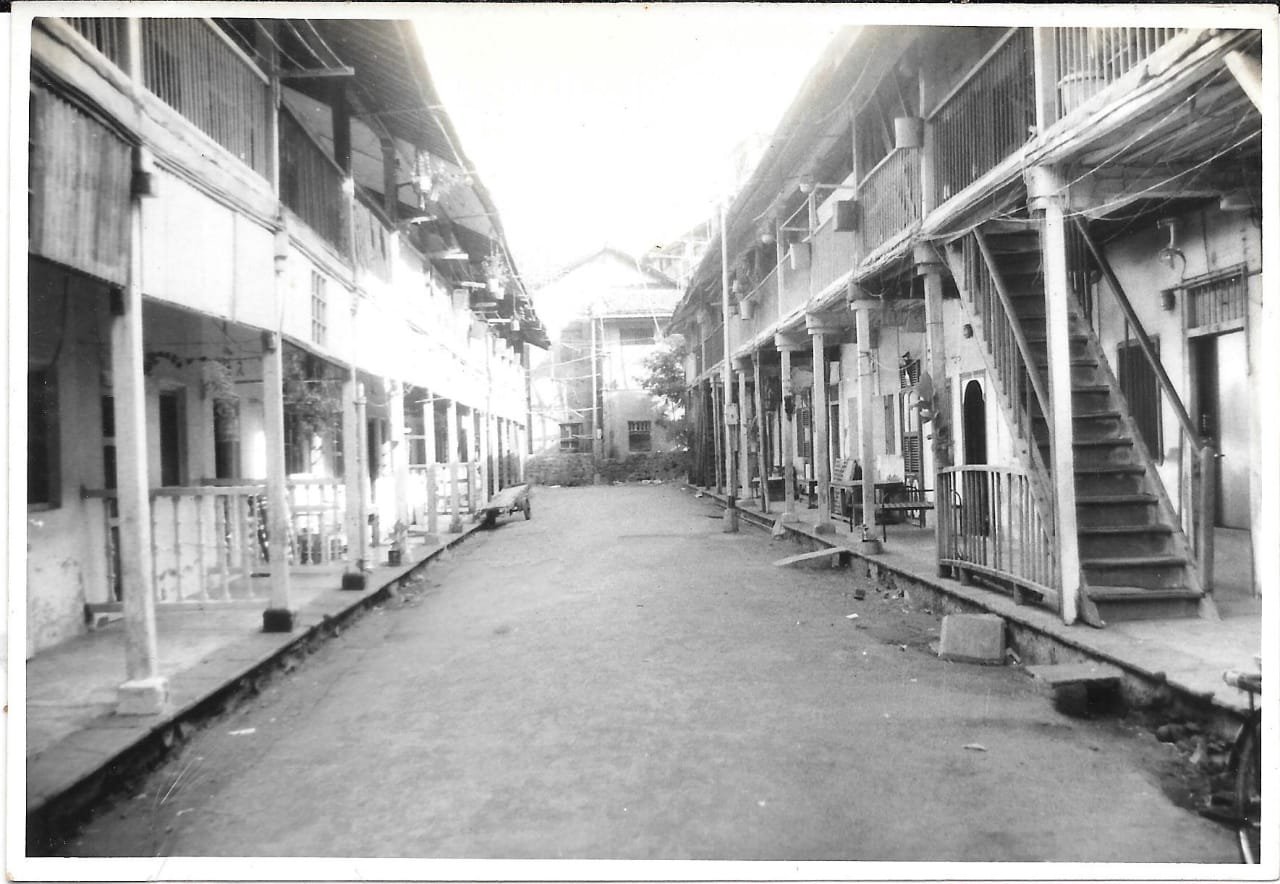
Keshavji naik chawl
This festival, which began like a small spring in 1893 and progressed and matured over the last century, has also witnessed a multitude of social, economical and political changes. On a few occasions, the festival has also passed through critical phases of social turmoil and political threats. The solidarity of the residents and their determination to maintain the tradition at all costs has enabled consistent celebration of the festival without a single lapse. The centenary of this festival was celebrated by residents of KNC in the year 1992.
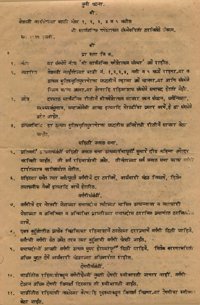

Initially the Ganesh festival at KNC was rather an informal affair with a few families participating in the celebration. However, as the community festivals became more popular, more members joined in and gradually the festival took a more formal shape. To manage the growing tasks, a formal body named as Shree Sarvajanik Ganeshotsav Sanstha (henceforth abbreviated as SGS) was instituted for organizing the festival annually in the traditional manner in the month of Bhadrapada. This posed a new challenge to the organizational and managerial skills of the members and today one can conclude that the same has been met with in a fairly able and competent manner particularly in view of the economical limitations and constraints of the infrastructure. It is interesting to note that the SGS is one of the oldest Ganeshotsav institutions to have a formally written Constitution for conducting Ganesh festival. Thus the democratic practices are firmly rooted in the minds of the members.
The constitution also implies that the organization has well defined aims and objectives. The primary aim of the SGS has been to promote social awareness and mass education on a religious platform. In order to achieve this aim, arrangement of lectures by eminent scholars, social reformers, and political leaders has been a regular feature of the festivals. The list of renowned and legendary personalities who have graced the dais of SGS over last century is very impressive. Even Mr. Bal Gangadhar Tilak himself was present on one occasion and addressed the audience in the year 1901. Hindus believe that Lord Ganesha is a deity of intellect and it is also one of the most popular deities.
Restoration of religious faith and ‘bringing Hindus together’ were also the major motives of the Sarvajanik Ganeshotsav at least in the early years. The members of the SGS have believed this to be an important issue and due care has been taken by the organizers in regularly arranging programs such as Pravachan (which is a religious discourse), Keertan (narration of historical stories with a judicious blend of poetry and music for emphasizing human values, nurturing ethics and morality in the society and strengthening religious faith), Mantrajagar (recital of vedic verses and holy hymns by priests and religious scholars).
These programs are conducted by the experts in the respective fields .On their part, the residents dutifully carry out Sahasravartana which is the recitation of the Ganapati Atharvashhersha one thousand times at one sitting. All these efforts have helped in maintaining a strong religious base for the festival.
Shree Sarvajanik Ganeshotsav Sanstha
A community festival cannot remain merely religious or intellectual in nature particularly when masses are involved. Some lighter moments by means of cultural and entertainment programs are a must when the festival spans over full ten days The SGS has given due attention to this aspect and a wide variety of such programs have been arranged for the benefit of the members, their families and others. The means and ideas of entertainment vary from time to time. Over the century, such programs have been organized by inviting eminent artists and professional groups for giving live performances. Melas, Dramas, Classical and Light Music concerts, Orchestra Performances have been some prominent types of such programs. On many occasions, members of the SGS and residents have also shown initiative in pooling up their resources and talents in organizing some in-house programs such as dramas. To promote the talents in younger generation, a wide variety of competitions have been held. They include subjects like Physical Exercise, Elocution, Essay Writing, Debate, and Games.
With the advent of time, the nature of social problems also undergoes changes. Social and religious organizations must be alert to take a note of new problems and endeavor to resolve them. The members of the SGS have been aware of their social responsibility and have tried to make conscious efforts for the betterment of the society. During last few years, some medical camps have been arranged for providing free medical check-up of the local people. Every year, Lokamanya Vyakhyanmala, which consists of a series of lectures on topics of general interest or social relevance, is organized for the benefit of all during Dec.-Jan. period. Another project that has been recently undertaken aims towards compilation of available old records towards Ganesh Festivals.
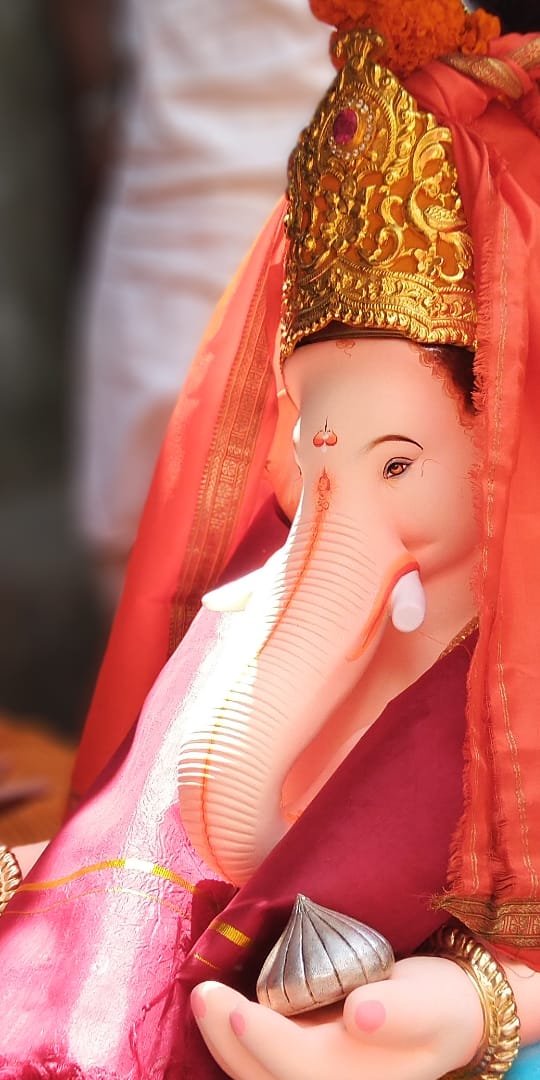
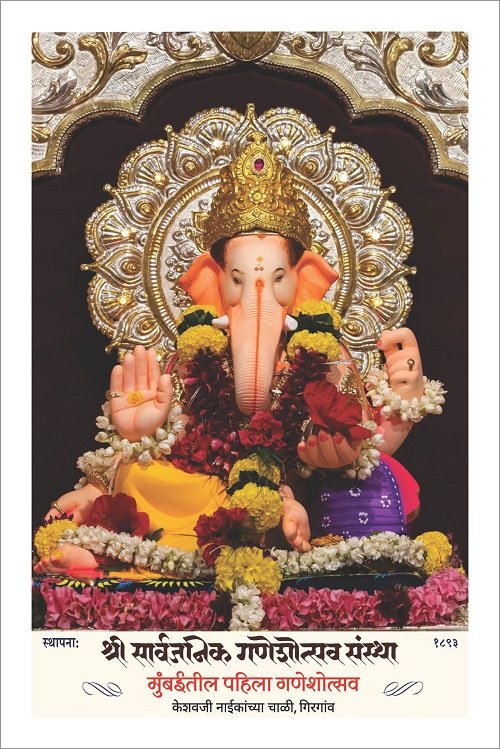
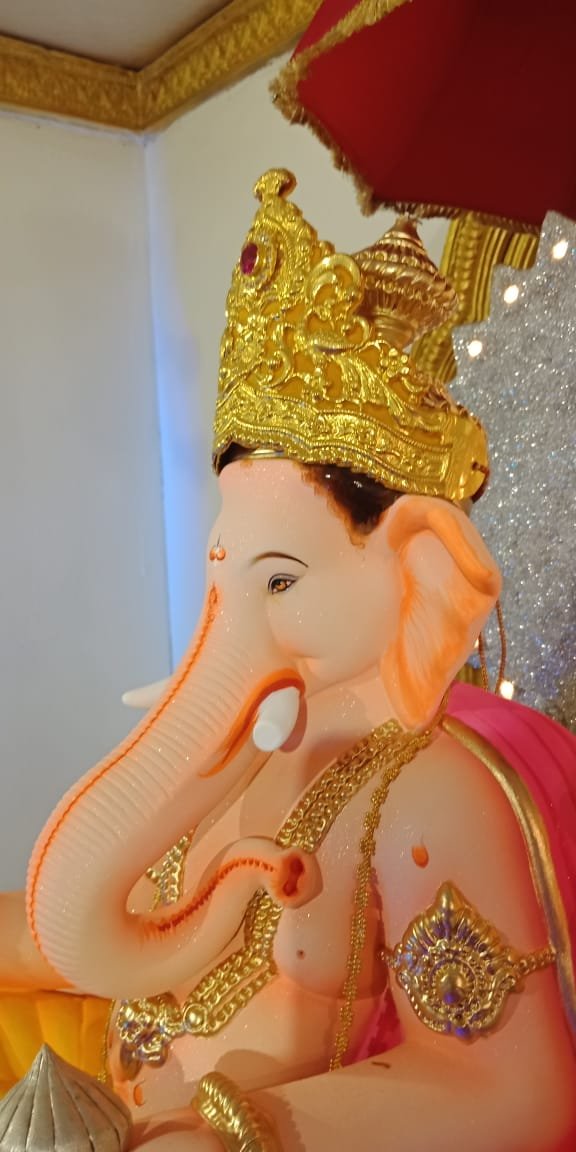
It is worth mentioning that the center of attraction of the annual festival has always been the idol of Lord Ganesha. The Moorti i.e. the idol of Ganesha for every annual festival is skillfully crafted in clay by a local sculptor-one Mr. More. The shape and posture of the idol is the same every year and the present sculptor belongs to the fifth generation of the family that has been entrusted this job. The idol is serenely beautiful and it brought to the festival site on the day of Ganesh Chaturthi in a solemn and traditional manner with the help of a Palkhi (i.e. a palanquin).
The festival is carried out in a temporary pandal erected specially for the purpose on the road with the permission of Municipal Corporation. The tenth day i.e. the Ananta Chaturdashi marks the end of the festival and on this day the idol is carried in a procession in traditional manner for immersion in the sea. A huge crowd gathers to bid farewell to their beloved deity. Finally the idol is immersed in the sea with the chorus “Ganapati Bappa Moraya,Pudhachya Varshi Lavakar Ya”. (meaning:’ Tribute to you, Lord Ganesha! Please come back early the next year!’) This final day is full of mixed and melancholy feelings and it invariably makes one introspect and also look forward for the next year’s festival.
The captive beauty of the idol of Lord Ganesha at the SGS is beyond verbal description. It is an experience that one must personally enjoy! The influence of the festival at SGS is so powerful that many of the old residents of KNC, in spite of their staying at far off places, make it a point to visit the festival at least once and enjoy the cherished moments of their life.