
Brief History
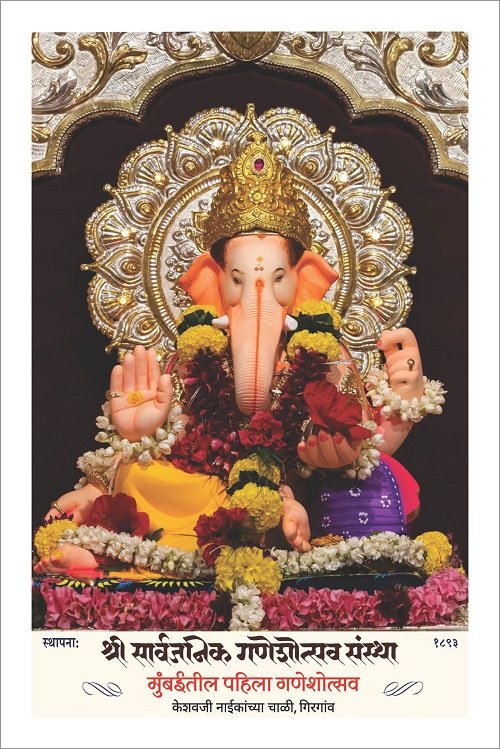
Public Celebrations of Ganesh Festival-A Brief History.
Festivals are an integral part of human cultural life. From ancient times they have been celebrated not only in India but also in different parts of the world. ‘Olympian’ celebrated by Greeks, ‘Pithian’ to promote poetry writing and ‘Nimiyan’ to exhibit skills in martial arts are, to name a few, some of the festivals celebrated outside India in ancient times. The Ganesh festival, which has its origins in Maharashtra in India, has been celebrated for over a century.
Ganesh festival prior to 1893
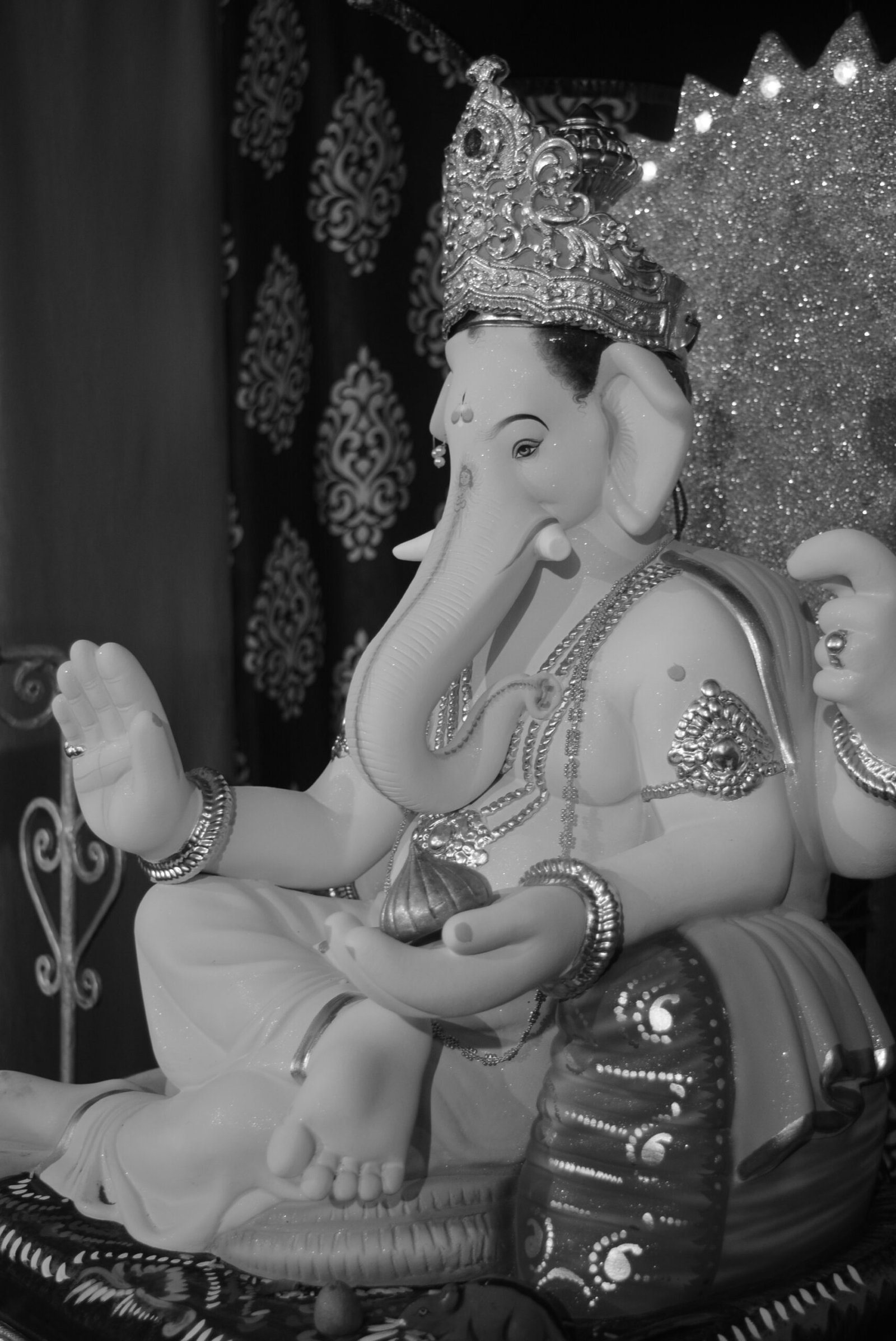
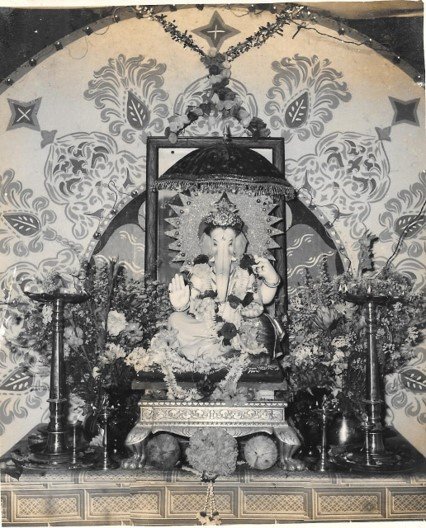
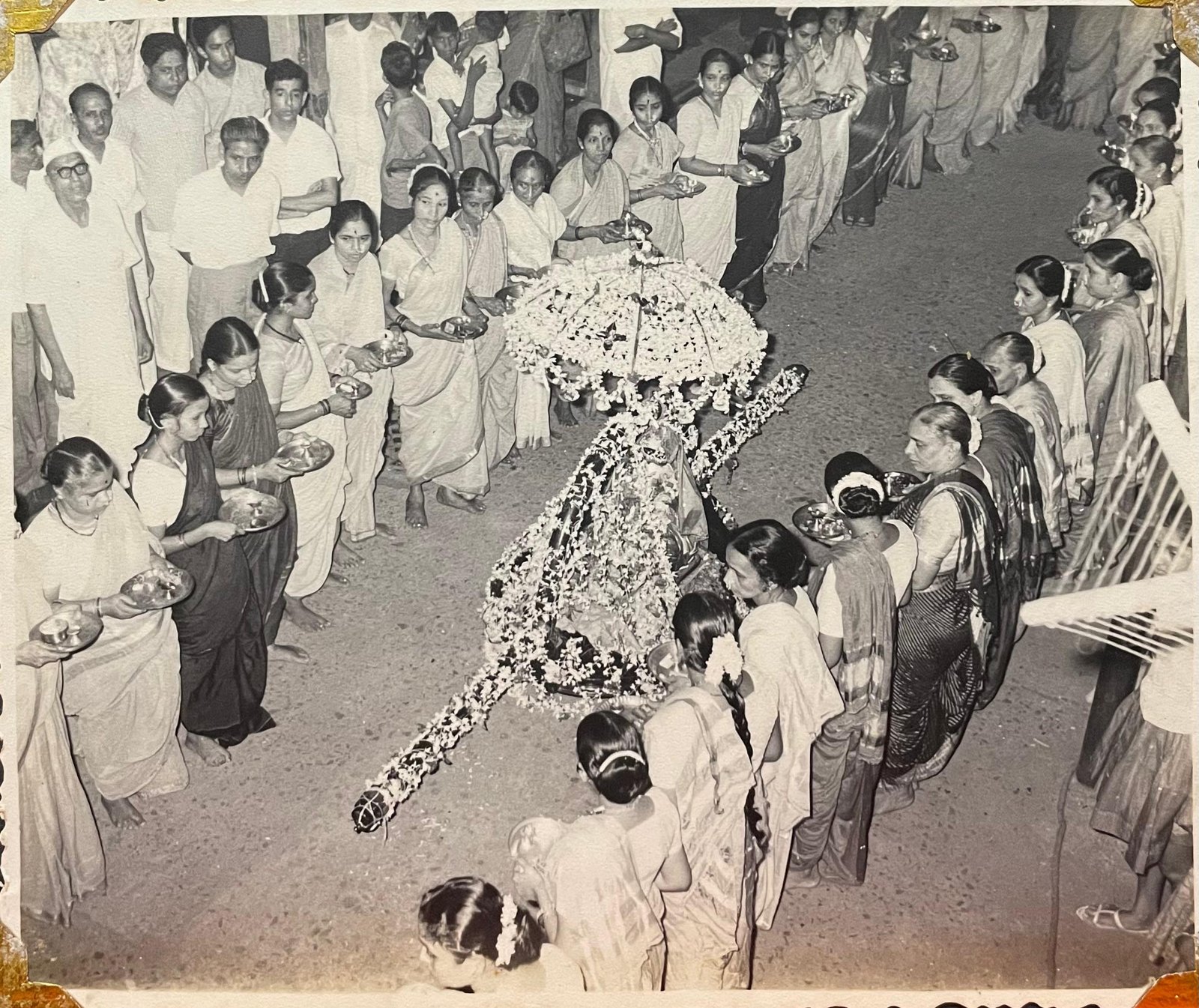
In the good old days Ganesh festival was a purely family affair. According to the eminent historian Shri Rajwade, records reveal that it was celebrated even during the reigns of Satwahana, Rashtrakuta and Chalukya. There are also references in historical records to similar celebrations during Peshwa times, Lord Ganapati being the family deity of the Peshwas. The celebration would commence on the first day of the month of Bhadrapada and would go on for ten days. Years later it became a practice to end the festivities on ‘Anant Chaturdashi’ with the immersion of the Ganapati idol in water. The celebrations were universally popular with rich and poor alike. The poor were given sweets and clothes. Upper caste Brahmins were fed on delicious meals. On the concluding day, the idol of Lord Ganesh was carried in a beautifully decorated palanquin in a ceremonial procession and taken to the river for immersion.
The last of the Ganesh festivals during the Peshwa regime was celebrated in the year 1815 when Bajirao II held the power. The year 1818 saw the end of Peshwa rule with Union Jack being unfurled on the great Shaniwar-Wada. Among the valuables the Britishers took away was a ‘ruby’eyed Ganesh idol made in pure gold studded with diamonds and rubies. It was reportedly valued at £ 50000 in those days. After the end of Peshwa rule, from 1818 to 1892 Ganesh Festival remained a family affair in Maharashtra. Emulating the example of Peshwas, princely states of Baroda and Gwalior too involved common people in the Ganesh festival. Lokmanya Tilak was witness in 1892 where he saw the grand scale on which the festival was celebrated in Gwalior and the enthusiastic participation of people therein. This alone inspired him to make the Ganesh festival a public event in Maharashtra. However it needs to be mentioned here that social and political conditions of those times seemed ripe for making such a move.
Background for making Ganesh Festival as public event in 1893 by Lokmanaya Tilak
Apart from social and political situation existing then, Lokmanya Tilak an erudite person he was, had come across the writings about the different festivals observed in Ancient Egypt and was also a witness to the Ganpati Festival in Gwalior State which inspired him to start a similar public celebration of Ganesh Festival. Around 1892-93 the influence of Christianity on Indian psyche had become quite obvious. Christian life-style, culture, their concepts of religion, morality and worship made deep impressions on the Indian mind. Indians were so dazzled by the progress made by westerners in science and technology that they started rubbishing our ancient learning of no consequence in the modern world. People took pride in imitating westerners. Tilak whose mind was deeply rooted in ancient Hindu culture and traditions, viewed the developing situation as alarming. He saw an urgent need to reshape the Indian society based on our own heritage and philosophy. He severely criticised the blind imitation of western ways and said that it amounted to spiritual and moral bankruptcy. Mr. Tilak raised a very pertinent question that those who are blindly following the Britishers and their culture can really occupy the places of those very Britishers in the Indian administration! The 1893 Hindu-Muslim riots at Pune and Mumbai further added to his restlessness. Like a true nationalist he desired to emphasise and preserve the national sentiment by giving due credit to all that was good in the old system. He wanted to unite the Hindus but he was not against Islam. He was only opposed to those Muslims incited as they were by the British to favour and actively participate in the riots.